

Why a Rental Car Checklist Changes Everything
Renting a car for the first time can feel overwhelming — from decoding insurance jargon to spotting hidden surcharges buried in a multi-page contract. Whether you are booking a vehicle for a weekend road trip, a business conference, or an extended holiday, having a clear process in place is the difference between a smooth ride and an expensive headache. Here at MinistryOfCars, our blog about cars and car rentals has helped thousands of readers navigate the rental landscape with confidence, and this guide distils everything we have learned into one actionable resource.
The reality is that most first-time renters overpay by 20–40 percent simply because they did not know what to look for. Much like the way savvy consumers rely on casino review ratings to separate trustworthy platforms from predatory ones, experienced renters use checklists to evaluate deals, compare providers, and shield themselves from costly surprises. This article gives you that exact framework — a step-by-step car rental checklist you can follow from the moment you start browsing to the moment you hand back the keys.
Before You Book: Research and Comparison
Check Ratings and Reviews Before Committing
The single most important step before booking is thorough research. Do not simply grab the first deal that surfaces on a comparison site. Read genuine customer reviews on multiple platforms, paying close attention to patterns rather than isolated complaints. A rental company with thousands of reviews averaging 4.2 stars tells you far more than one boasting fifty perfect scores with no detail.
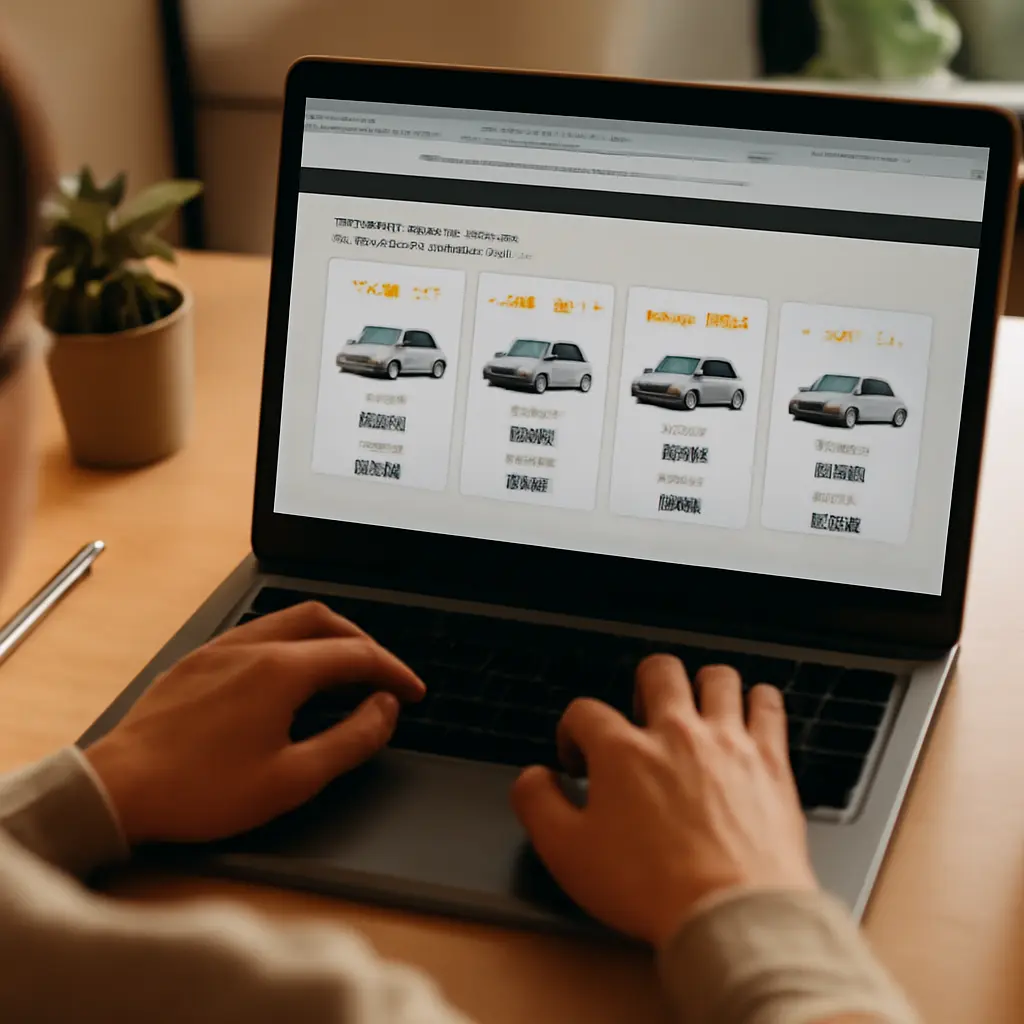
This approach mirrors how experts evaluate casino review ratings — they look beyond surface-level scores and examine the methodology behind the numbers. Are reviewers verified customers? Do the ratings account for factors like customer service, billing transparency, and dispute resolution? Apply that same critical thinking to rental company reviews. A provider that scores well on honesty and billing accuracy is worth paying a few extra dollars per day.
When comparing your options, follow this ordered process:
- Search at least three comparison websites for your exact dates and location
- Filter results by total price, not the advertised daily rate
- Read the ten most recent reviews for each shortlisted company
- Check the provider's rating on consumer protection and complaint sites
- Verify whether the pickup desk is inside the airport or requires a shuttle transfer
- Confirm the fuel policy before locking in a final price
Understand the True Cost of Your Rental
The advertised daily rate is almost never what you actually pay. Taxes, airport surcharges, concession recovery fees, and optional add-ons can inflate a $35-per-day rental to $65 or more. Always compare total costs — not daily rates — across providers before making a decision.
One area where first-time renters consistently lose money is insurance. The collision damage waiver offered at the counter can cost $15–$30 per day, yet your personal auto insurance or credit card may already provide equivalent protection. Before your trip, call both your insurer and your card issuer to confirm exactly what is covered. For a thorough side-by-side comparison of these options, you can explore rental insurance options to understand the real cost differences and coverage gaps.
Think of insurance evaluation the way analysts approach casino review ratings — the headline number rarely tells the full story. A counter-sold CDW that looks expensive might actually be cheaper than your credit card's coverage once you factor in deductibles, claim-filing hassle, and exclusions for certain vehicle types. Run the numbers before you arrive at the desk.
At the Rental Counter: Your Inspection Checklist
The Walk-Around Inspection
This is where many first-time renters make their most expensive mistake: skipping the vehicle inspection. Before you drive off the lot, conduct a meticulous walk-around and document everything. Take photos and video of every panel, bumper, wheel, and interior surface — including the dashboard, seats, and boot. Timestamp the files by emailing them to yourself on the spot.
Here is what to check during your walk-around:
- All four sides of the vehicle for scratches, dents, and paint chips
- Windshield and all windows for cracks or stone chips
- Tyre condition and tread depth on all four wheels plus the spare
- Interior upholstery for stains, tears, or cigarette burns
- Dashboard warning lights — start the engine and verify a clean display
- Fuel level matches what is printed on the rental agreement
- All exterior lights, wipers, and indicators function correctly
- Boot space and any existing damage inside the cargo area

If you discover any damage not already marked on the rental agreement, insist that the agent records it before you leave. This single step has saved renters hundreds — sometimes thousands — of dollars in disputed damage claims. The same principle that underpins trustworthy casino review ratings applies here: documentation and transparency protect both parties.
Reading and Understanding Your Contract
Never sign the rental agreement without reading it. Pay close attention to the mileage allowance, fuel return policy, late return penalties, and any geographic restrictions. Some contracts prohibit crossing state or national borders, and violating those terms can void your insurance coverage entirely.
Key contract terms to verify include the authorised driver policy, which can add $10–$15 per day for each additional driver. If you are travelling with a companion who might share driving duties, factor this cost into your comparison shopping well before you reach the counter.
Hidden Fees: The Complete Breakdown
Hidden fees are the number-one complaint among car rental customers worldwide. A 2024 consumer survey found that 63 percent of renters were charged fees they did not anticipate, with the average unexpected cost reaching $112 per rental. Understanding these charges in advance is your strongest defence.
The table below breaks down the most common fees, their typical cost range, and how to avoid each one:
| Fee Type | Typical Cost | How to Avoid It |
|---|---|---|
| Airport surcharge | 10–15% of total | Pick up at an off-airport location nearby |
| Young driver fee (under 25) | $20–$35/day | Book through companies that waive it for members |
| Additional driver | $10–$15/day | Choose providers that include one free additional driver |
| Fuel service charge | $8–$12/gallon | Always return the tank full yourself |
| Late return penalty | $50–$150 | Arrive 30 minutes early as a buffer |
| GPS unit rental | $10–$17/day | Use your smartphone with a dashboard mount |
| Toll transponder | $5–$10/day + tolls | Bring your own or plan a toll-free route |
| One-way drop-off | $50–$500+ | Return to the original pickup location |
Notice how many of these fees are entirely avoidable with basic advance planning. The fuel service charge alone can triple your fuel costs — rental companies typically charge two to three times the pump price per gallon if they refill the car for you. Returning the tank full takes five minutes at a nearby station and saves $30–$60 on a typical week-long rental.
Seasoned renters treat fee avoidance the way analytical players study casino review ratings — by examining the fine print and understanding exactly where value is gained or lost. If you want even more cost-cutting strategies, our guide on insider rental tricks covers ten proven techniques that most companies would prefer you never learned.
Returning the Car: Your Final Checklist
The return process is just as important as pickup, yet most first-time renters rush through it. Give yourself at least 30 extra minutes beyond what you think you will need. Late fees kick in fast — often after a grace period of just 29 minutes — and can trigger an additional half-day or full-day charge on your final bill.
Before you arrive at the return lot, fill up the tank at a station within a mile or two of the rental facility and keep the fuel receipt. When you pull in, take another complete set of photos and video of the car in exactly the same way you documented it at pickup. This creates a clear before-and-after record that protects you against fraudulent damage claims, which remain surprisingly common in the industry.

Wait for an attendant to inspect the vehicle and hand you a final receipt showing a zero balance. If no agent is available, record a timestamped walk-around video showing the car's condition and odometer reading. Some renters have reported mysterious charges appearing days or even weeks after return — comprehensive documentation is your ultimate insurance policy against these disputes. The transparency standards that define credible casino review ratings are exactly the benchmark you should set for the return process: everything recorded, everything verifiable.
Pro Tips That Save First-Time Renters Hundreds of Dollars
Beyond the core checklist, several strategies help experienced renters consistently secure better deals and sidestep problems. These tips come from years of reader feedback and real-world testing on our car rental blog.
Book early but check back often. Rental prices fluctuate constantly, and most reservations allow free cancellation. Lock in a rate as soon as you know your dates, then revisit the price weekly. If it drops, cancel and rebook at the lower rate. This discipline alone saves 15–25 percent on average.
Skip the extras at the counter. Rental agents are trained to upsell — prepaid fuel plans, roadside assistance bundles, satellite radio, and child seat rentals all pad the company's margins. Most of these can be sourced far more cheaply elsewhere. Bring your own car seat, use your phone for navigation, and your existing roadside cover — often bundled with your auto insurance or credit card — is typically more than adequate. Evaluating these add-ons requires the same analytical mindset people use when dissecting casino review ratings: look past the sales pitch and calculate the actual value per dollar.
Choose the right vehicle class. First-time renters often default to the cheapest subcompact or splurge on an SUV they do not need. Consider your actual requirements: passenger count, luggage volume, and road conditions. A mid-size sedan frequently hits the ideal balance of comfort, fuel economy, and price for most journeys.
Join the loyalty programme even for a single rental. Most programmes are free and offer practical benefits like faster pickup, skip-the-counter service, and occasional complimentary upgrades. The membership costs nothing, and even one-time renters benefit from the streamlined experience. Just as casino review ratings consistently highlight the value of reward programmes for regular users, rental loyalty schemes offer tangible perks that improve your experience from the very first booking.
Your First-Time Renter Checklist: Key Takeaways
Renting a car does not have to be stressful, confusing, or unnecessarily expensive. By following a structured checklist, you eliminate guesswork and take control of the entire process — from the first search result to the final receipt. Here is a concise recap of every essential step covered in this guide.
Before booking, research providers through verified reviews and compare total costs across at least three platforms. Understand your insurance coverage before you arrive at the counter so you can make a calm, informed decision rather than a pressured one. At pickup, document the vehicle's condition thoroughly with photos and video, and read every clause in the rental agreement before putting pen to paper.
Stay alert to hidden fees — the breakdown table above shows you precisely where to look and how to avoid the most common charges. At return, refuel the car, photograph it again, and obtain a final receipt confirming a zero balance. Throughout the entire process, apply the same rigorous evaluation habits that define reliable casino review ratings: demand transparency, verify claims independently, and never accept a headline figure without reading what sits behind it.
With this checklist saved on your phone, you will approach your first rental with the poise of someone who has done it dozens of times. Bookmark this page, share it with anyone who is about to rent for the first time, and drive off knowing that every base is covered.


Comments
Didn't know your credit card might already cover collision damage — I've been paying for the rental company's CDW for years without ever checking. Calling my card issuer before my next trip for sure.
Didn't know about the fuel service charge trick until now — returning the tank full really does seem like a no-brainer once you see those per-gallon markups.
Didn't know most credit cards already cover collision damage — called mine before my last trip and saved almost $25 a day by declining the counter CDW.
Didn't know about the off-airport pickup trick to dodge the surcharge — just tried it for a trip last month and saved almost $40 compared to grabbing the car right at the terminal.
Didn't know your credit card might already cover collision damage — I've been paying for the counter CDW for years without ever checking. Calling my card issuer before my next trip for sure.
The tip about photographing the car before leaving the lot is something I wish I had known on my first rental — ended up in a dispute over a scratch I definitely did not make.
Didn't know about the off-airport pickup trick to dodge the surcharge — just tried it for a trip last month and saved nearly $40 compared to the terminal desk.
Didn't know about the off-airport pickup trick to dodge the surcharge — just tried it last month and the lot was literally two blocks from the terminal with a free shuttle.
Didn't know about the airport surcharge workaround — picking up at an off-airport location can actually save a noticeable chunk when you add it up over several days.
Didn't know my credit card might already cover the CDW — calling my card issuer before my next trip to check, that tip alone could save me $25 a day.