

Why the Cheapest Rental Often Costs More Than It Seems
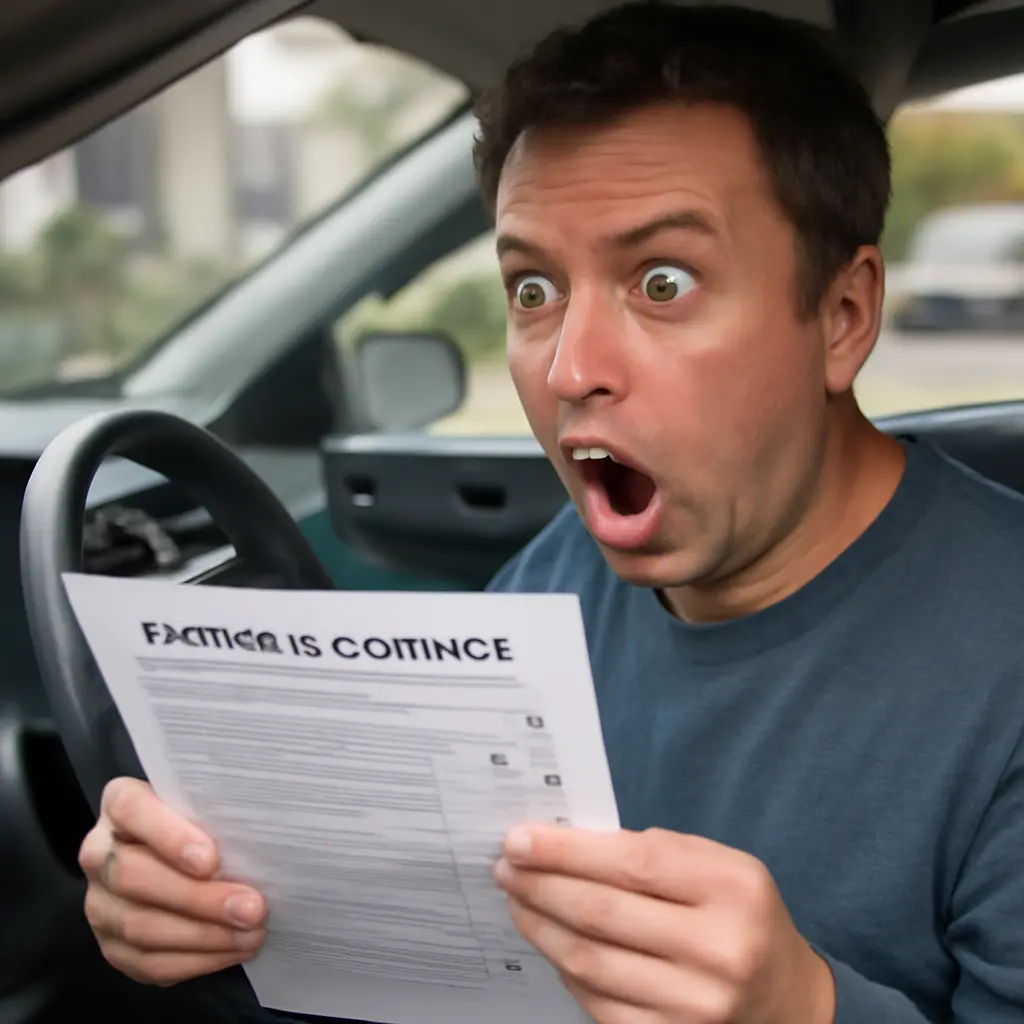
Choosing the cheapest car on a rental website feels smart in the moment, but that sticker price rarely tells the full story. In this guide from MinistryOfCars you'll learn why the lowest daily rate can introduce hidden fees, amplify damage risk, and deliver surprise costs that blow your budget. We’ll also use a useful analogy from casino review ratings—a trust metric many people know—to show how to evaluate rental companies beyond the rate alone.
Common ways "cheap" becomes expensive
When consumers compare rates, they focus on the headline number. That number ignores important variables like local taxes, airport surcharges, and insurance gaps. Think of it like reading casino review ratings: a single number doesn’t replace a full review. The same goes for rental companies—reputation and policy details matter.
Before you click “book,” scan the fine print for these frequent cost drivers:
- Excess or deductible amounts that leave you on the hook after a claim
- Fuel policies that force you to buy a full tank at inflated rates
- Credit card hold amounts that temporarily reduce your available credit
- Extra fees for additional drivers, young drivers, or one-way drop-offs
- High charges for cleaning or pet hair removal
Why insurance and damage policies matter
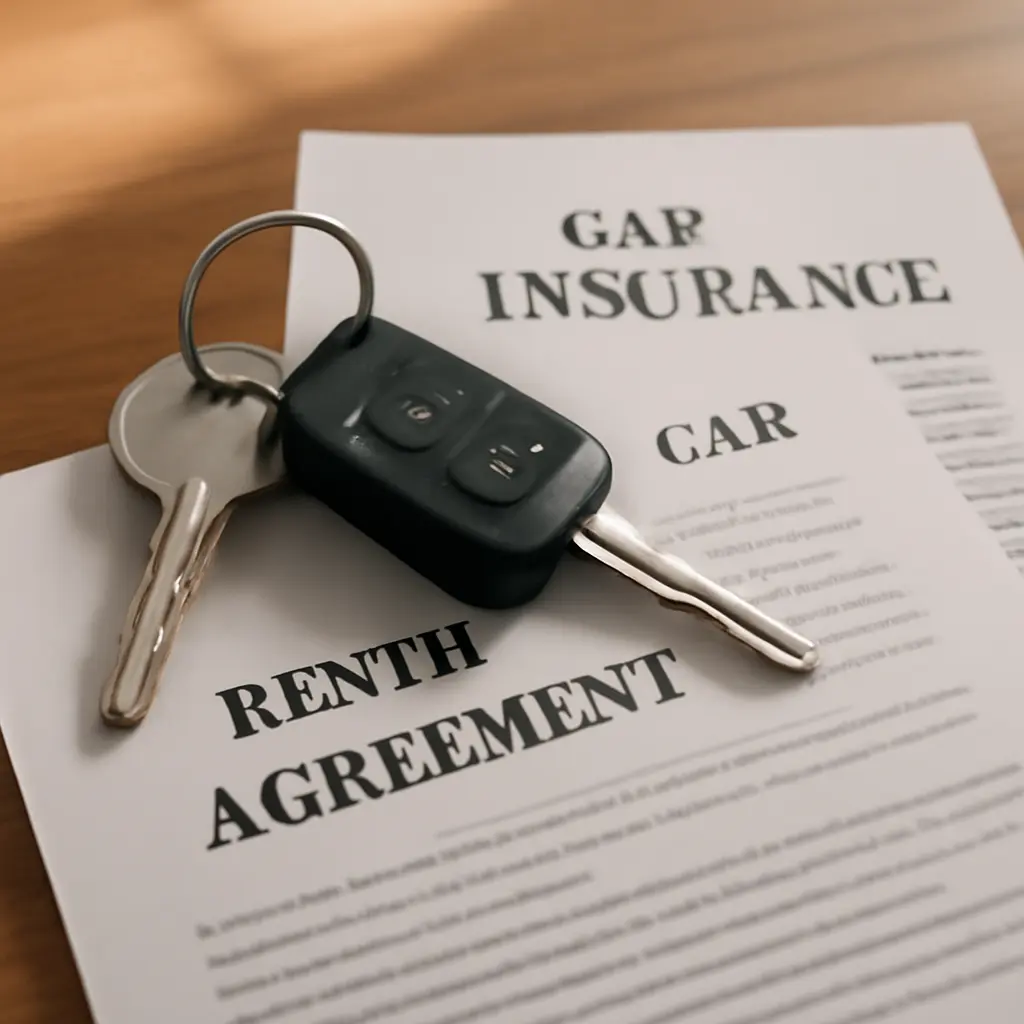
Insurance is where the cheapest cars trip most renters. A low daily rate often pairs with limited or confusing coverage. Learn the terms: collision damage waiver (CDW), liability coverage, and loss of use—these affect your exposure after an incident. Similar to examining casino review ratings to check payout speed and fairness, you should evaluate the rental company’s claims process and reputation before committing.
Two typical scenarios:
- You accept the cheap rate, decline the rental company's insurance, and later face a large deductible after a scratch—costs spike.
- The car is damaged before pickup; the company offers poor documentation, and you struggle to prove prior condition—your card gets charged.
Concrete numbers: what the math looks like
To illustrate, compare three booking approaches. These are simplified but reflect real-world patterns:
| Booking Type | Daily Rate | Average Hidden Fees | Typical Insurance Outlay | Effective Daily Cost |
|---|---|---|---|---|
| Budget / Cheapest | $20 | $10 | $15 (high deductible) | $45 |
| Standard | $35 | $5 | $8 (lower deductible) | $48 |
| Mid-tier with bundled coverage | $50 | $2 | $0 (coverage included) | $52 |
This table shows the cheap option isn’t always the best value. When you include hidden fees and insurance, differences shrink or even reverse. Also consider intangible costs—stress, argument time at the counter, and the hassle of damage claims—which travel like poor reviews do in the casino world; a low rating can signal slow or unfair handling of problems.
Checklist: Inspecting the car and the company
A quick checklist before departure improves outcomes and protects you from unfair charges. Think of it like checking both a casino review rating and user comments before depositing money—one data point isn’t enough.
- Walk around the vehicle with a phone and take timestamped photos of every panel and scratch
- Confirm fuel policy in writing and note the exact tank level
- Ask for clarification on the excess amount and how it’s charged
- Request a copy of the inspection report and ensure prior damage is recorded
Smart booking: steps to choose better rentals
Follow these steps to avoid cheap-rate traps and make a confident choice—like picking a highly-rated operator by consulting reliable casino review ratings before play:
- Compare total cost, not just the headline rate; include taxes and common extras.
- Check the rental company’s reputation—read reviews and look for patterns about claims handling.
- Evaluate insurance: consider a credit-card benefit or a standalone policy that covers deductibles.
- Reserve a slightly larger class if the cheapest vehicle has poor safety or limited roadside assistance.
- Confirm cancellation and modification terms in case plans change.
When you review user feedback, use the same skepticism you apply to casino review ratings: filter out extreme one-off experiences and pay attention to repeated themes about transparency, hold amounts, and responsiveness.
When the cheapest option still makes sense
There are situations where the low-rate car is a reasonable choice—short trips, one-way errands, or when you have robust third-party insurance. But even then, protect yourself by documenting the vehicle condition and understanding the rental agreement. Check the fine print to avoid surprises.
Here are quick scenarios where budget rentals can work:
- You're driving in a low-risk area for a few hours
- You have full coverage through your personal insurance or a credit card benefit
- There’s strong vendor reputation—look for consistent positive signals in reviews and ratings
Using ratings and reviews the right way
Ratings—whether for casinos or car rental firms—are shorthand for trust. But they’re only valuable when combined with context. Casino review ratings often highlight payout fairness, speed, and customer support; map that framework to rentals. Ask: how fast does this company resolve claims? Do users report unexpected holds? Are fees and policies transparent?
Tip: prioritize companies with clear policies and responsive support even if their daily rate is slightly higher. The time saved and fewer headaches are often worth that extra few dollars per day.

That additional peace of mind is similar to choosing a casino with good review ratings—you pay a small premium for reliability, smoother claims handling, and better customer service. Over a trip, that premium often lowers total cost when you tally time and risk.
Final checklist before you sign
Make these last checks to lock in a smart rental:
- Verify pick-up and drop-off procedures and any late-return penalties
- Confirm all fees in writing; ask for a final quote that includes taxes
- Ensure the vehicle class meets your needs for space and safety
- Keep documented photos and the inspection form until charges are settled
Conclusion
Renting the cheapest car often fails because the price doesn’t capture the full cost of ownership for your trip: hidden fees, weak insurance, and poor claims handling can all turn a bargain into a headache. Use the same critical approach you apply to casino review ratings—look past the score, read detailed feedback, and value transparency. By comparing total costs, verifying insurance and policies, and documenting the vehicle condition, you’ll make smarter choices and avoid nasty surprises. MinistryOfCars recommends prioritizing clarity and reputation over the lowest daily rate; that small shift can save you money, time, and stress.


To leave a comment, please sign up or log in
Log in / Sign up